How to Sell Egyptian Reptiles and Scorpions to European Buyers Successfully?
Selling Egyptian reptiles and scorpions to European buyers can be highly profitable, but it requires more than just having healthy animals. Buyers in Europe, whether private collectors, research laboratories, or venom extraction companies
11/29/20253 min read
How to Sell Egyptian Reptiles and Scorpions to European Buyers Successfully?
Introduction
Selling Egyptian reptiles and scorpions to European buyers can be highly profitable, but it requires more than just having healthy animals. Buyers in Europe, whether private collectors, research laboratories, or venom extraction companies, demand legally sourced, well-documented, and safely packaged animals. Understanding the market, proper marketing strategies, and compliance with European import regulations are crucial for success.
This guide provides a detailed roadmap for selling Egyptian reptiles and scorpions to Europe, covering legal compliance, marketing, communication, pricing, and logistics.
🌍 Step 1: Understand Your European Market
Before selling, you must understand who your buyers are and what they want:
Private collectors: Interested in exotic snakes and scorpions for pets. They prefer captive-bred, non-venomous or mildly venomous species.
Research laboratories: Purchase scorpions for venom extraction, study, or pharmaceutical research. They require high-quality, healthy animals with full documentation.
Venom extraction companies: Focus on high-toxicity species like Androctonus amoreuxi and Leiurus quinquestriatus. Purity and venom content are crucial.
Tip: Segment your buyers and tailor your approach to each type. Understanding preferences ensures higher sales and repeat customers.
📄 Step 2: Ensure Legal Compliance
European buyers insist on full legal compliance before purchasing:
1. CITES permits: Required for species like Egyptian cobra (Naja haje) and Desert cobra (Walterinnesia aegyptia).
2. Export permit: From the Egyptian Wildlife or Agriculture Authority.
3. Farm registration: Confirms the animals are captive-bred.
4. Health certificate: Confirms the animals are disease-free.
5. Invoice and packing list: Detail species, quantity, and farm origin.
Providing complete documentation builds trust with buyers and prevents shipment rejection or legal problems.
💰 Step 3: Price Competitively
Pricing is one of the most critical aspects of selling Egyptian reptiles and scorpions to Europe.
Factors influencing price:
Species and rarity
Size and age
Venom potency (if sold for venom extraction)
Farm legality and certification
Example Price Range (Egypt → Europe):
Androctonus amoreuxi: $25–$40 per scorpion
Leiurus quinquestriatus: $30–$50 per scorpion
Corn snakes: $50–$100 each depending on size and age
Offer bulk discounts for laboratories or collectors, but never compromise documentation or animal welfare for lower prices.
🌐 Step 4: Market Your Animals Effectively
European buyers often look online for exotic reptiles and scorpions. Effective marketing strategies include:
Professional website: Showcase animals with high-quality images, species descriptions, and farm certifications.
Social media presence: Instagram, Facebook, and specialized reptile forums are powerful platforms.
SEO optimization: Use keywords such as “Egyptian scorpion export,” “buy Egyptian cobra Europe,” or “Androctonus venom.”
Direct B2B contact: Reach out to labs, venom extraction companies, or private collections via email or trade platforms.
A strong online presence builds credibility and attracts serious buyers.
📦 Step 5: Ensure Safe Packaging and Transport
Safe transport is essential for European buyers:
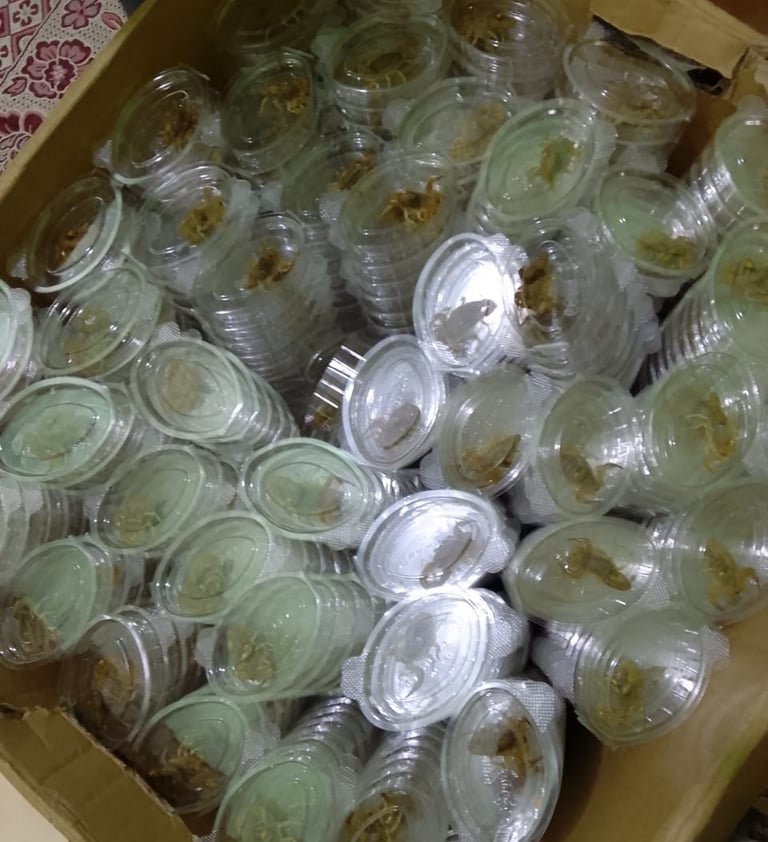
Individual ventilated containers for each animal
Shock-absorbent outer boxes
Temperature control (20–25°C)
Clear labeling with species, quantity, and “Live Animals”
Include all permits, health certificates, and invoices inside
Use air cargo with reputable carriers like DHL or FedEx and notify them about live animal shipments. Proper packaging reduces mortality and ensures buyer satisfaction.
📞 Step 6: Maintain Clear Communication
Communication is key when selling to European buyers:
Provide updates on availability and shipping schedules.
Respond promptly to inquiries regarding species, health, or legal compliance.
Be transparent about CITES requirements, export permits, and shipping timelines.
Offer guidance on handling, care, and legal compliance once the animals arrive in Europe.
Clear communication builds trust and encourages repeat business.
🛡️ Step 7: Offer After-Sale Support
European buyers often need post-purchase support:
Guidance on housing, feeding, and health monitoring
Instructions for handling venomous species safely
Assistance with local registration or documentation
Promptly handle any issues during shipment or delivery
Providing excellent support strengthens long-term relationships and your reputation as a reliable exporter.
⭐ Conclusion
Selling Egyptian reptiles and scorpions to Europe successfully requires a comprehensive approach:
1. Understand your target buyers and their preferences
2. Ensure full legal compliance with permits and certifications
3. Price animals competitively based on species, size, and venom value
4. Market effectively through websites, social media, and B2B outreach
5. Package and transport safely using IATA-compliant methods
6. Maintain clear, transparent communication with buyers
7. Provide after-sale support for animal care and compliance
By following these steps, exporters can maximize profits, maintain animal welfare, and ensure smooth legal transactions, establishing a strong and reputable presence in the European market.
Get in touch
Address
About
Abu Rawash - GIZA - Egypt
contact