How to Ensure Legal Compliance When Exporting Egyptian Reptiles and Exotic Animals to Europe?
Exporting Egyptian reptiles, scorpions, tortoises, lizards, and amphibians to Europe can be profitable, but strict legal compliance is essential.
11/29/20253 min read
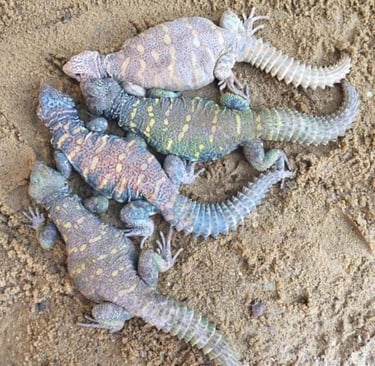
How to Ensure Legal Compliance When Exporting Egyptian Reptiles and Exotic Animals to Europe?
Introduction
Exporting Egyptian reptiles, scorpions, tortoises, lizards, and amphibians to Europe can be profitable, but strict legal compliance is essential. European authorities require documentation for both protected and non-protected species, and failing to meet these regulations can result in shipment rejection, fines, or permanent bans.
This guide explains how to ensure full legal compliance when exporting Egyptian exotic animals, covering permits, documentation, regulations, and best practices.
📄 Step 1: Understand CITES and EU Regulations
Many Egyptian reptiles and scorpions are listed under CITES (Convention on International Trade in Endangered Species):
Species like Naja haje (Egyptian cobra), Leiurus quinquestriatus (deathstalker scorpion), and some tortoises require CITES permits.
Non-CITES species may still require health certificates and farm registration.
EU countries often have additional import restrictions, including quarantine, facility inspection, and species-specific rules.
Understanding regulations ensures smooth customs clearance and avoids fines.
📝 Step 2: Obtain Export Permits
Before shipping:
Request export permits from the Egyptian Ministry of Agriculture or Wildlife authorities.
Permits should specify:
Species
Quantity
Farm origin
Keep digital and physical copies for customs and buyer verification.
Export permits demonstrate legal sourcing and build buyer confidence.
---
🏷️ Step 3: Secure Health Certificates
European buyers and authorities require certificates confirming the animals are healthy:
Conduct pre-shipment health inspections to check for disease, injuries, or parasites.
Include vaccination or treatment records if applicable (e.g., for tortoises).
Health certificates reduce risk of quarantine or refusal upon arrival.
Providing health certificates shows professionalism and commitment to animal welfare.
🛡️ Step 4: Maintain Farm Registration and Documentation
All exported animals should come from registered farms or breeding facilities:
Keep detailed records of breeding, feeding, and care for each animal.
Maintain logs of birth, growth, and health history.
Registered farms are more likely to gain buyer trust and legal approval.
Documentation is often requested during customs inspections or audits.
📦 Step 5: Comply with Packaging and Transport Regulations
European authorities require that live animals are safely packaged:
Use ventilated containers for individual animals.
Maintain stable temperature and humidity for reptiles, scorpions, and amphibians.
Include labels:
Species name
Quantity
“Live Animals”
Handling instructions
Attach all permits, health certificates, and invoices inside the package.
Compliant packaging reduces stress, mortality, and legal issues.
📨 Step 6: Coordinate with European Importers
Before shipment:
Confirm that the buyer has proper import permits.
Provide guidance on local regulations, quarantine requirements, and species-specific handling.
Coordinate on delivery timing to minimize delays.
Working closely with buyers ensures smooth customs clearance and satisfied clients.
🏛️ Step 7: Stay Updated on Legal Changes
European regulations can change frequently:
Subscribe to updates from EU wildlife and trade authorities.
Monitor changes in CITES listings for Egyptian species.
Update farm records, permits, and shipment practices accordingly.
Staying informed ensures ongoing compliance and avoids legal penalties.
⭐ Step 8: Educate Your Team
Ensure that everyone involved in export is well-trained in legal compliance:
Train staff on handling, packing, and documentation procedures.
Assign someone to verify permits and certificates before each shipment.
Keep a checklist for each export process to prevent mistakes.
Educated staff improve efficiency, compliance, and animal welfare.
🌐 Step 9: Maintain Transparent Communication
Clear communication with buyers and authorities builds trust:
Provide copies of all documentation to buyers in advance.
Inform them of any legal requirements they must meet for import.
Maintain professional correspondence to avoid misunderstandings or shipment delays.
Transparency helps build long-term relationships with European buyers.
⭐ Conclusion
Legal compliance is the foundation of a successful export business for Egyptian reptiles and exotic animals.
Key Takeaways:
1. Understand CITES and EU import regulations
2. Obtain proper export permits from Egyptian authorities
3. Secure health certificates for all animals
4. Maintain farm registration and detailed records
5. Comply with packaging and transport regulations
6. Coordinate with European importers for permits and timing
7. Stay updated on legal changes and CITES updates
8. Train staff on compliance procedures
9. Maintain transparent communication with buyers
Following these steps ensures safe, legal, and profitable exports, protects animal welfare, and strengthens your reputation in the European market.
Get in touch
Address
About
Abu Rawash - GIZA - Egypt
contact