
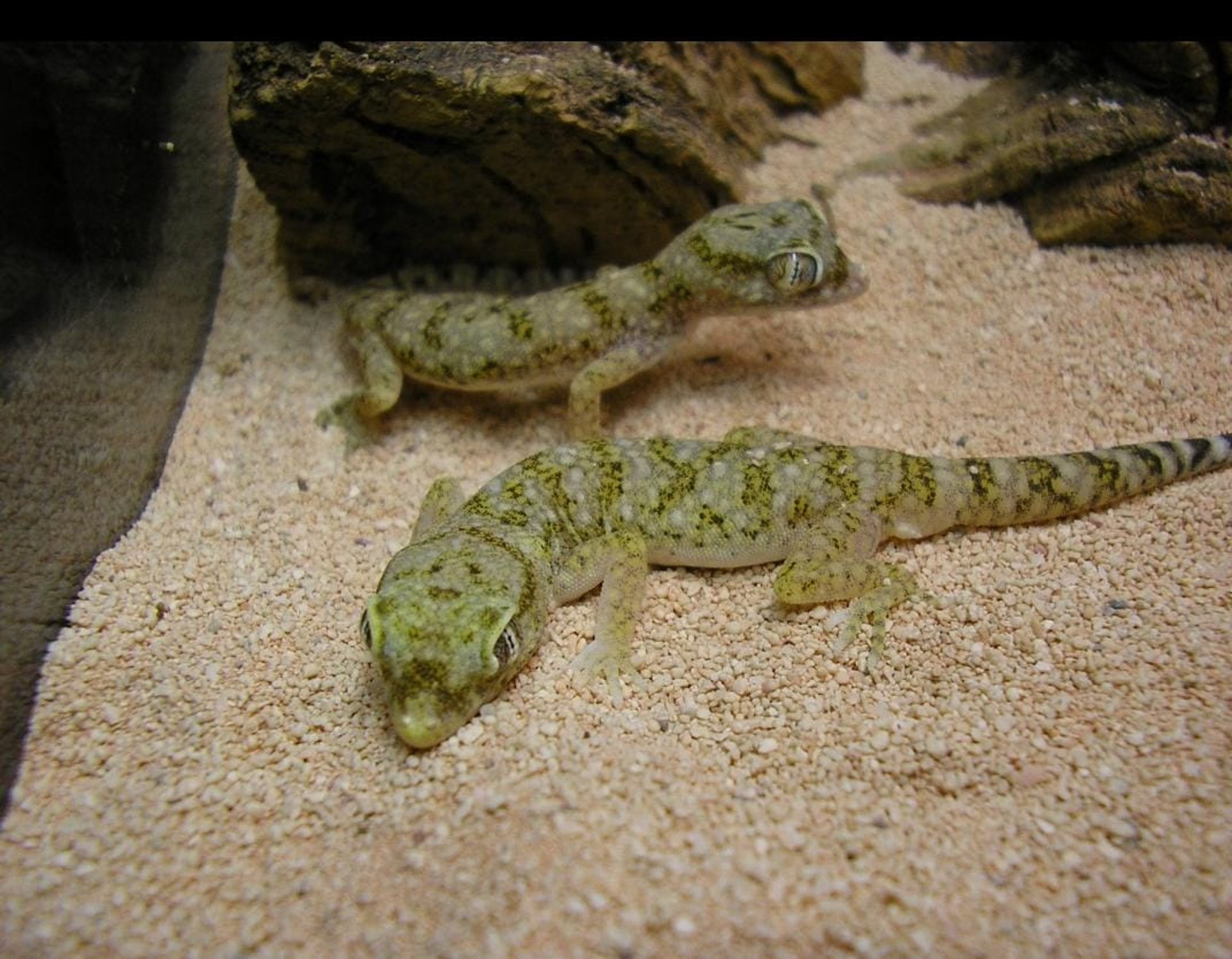
How to Choose the Best European Buyers for Egyptian Reptiles and Exotic Animals?
Exporting Egyptian reptiles, scorpions, tortoises, lizards, and amphibians to Europe can be highly profitable, but success depends largely on finding the right buyers. Selling to the wrong buyer can result in delayed payments, shipment rejection, or even legal issues. To maximize profits and maintain a solid reputation, exporters must understand buyer types, their needs, and how to establish trust.
11/29/20253 min read
How to Choose the Best European Buyers for Egyptian Reptiles and Exotic Animals?
Introduction
Exporting Egyptian reptiles, scorpions, tortoises, lizards, and amphibians to Europe can be highly profitable, but success depends largely on finding the right buyers. Selling to the wrong buyer can result in delayed payments, shipment rejection, or even legal issues. To maximize profits and maintain a solid reputation, exporters must understand buyer types, their needs, and how to establish trust.
This guide outlines how to identify and choose the best European buyers for Egyptian exotic animals, ensuring smooth transactions and long-term business relationships.
🌍 Step 1: Identify Buyer Types
European buyers fall into several categories, each with unique requirements:
1. Private Collectors:
Interested in rare snakes, scorpions, or lizards for personal collections.
Prefer captive-bred animals with proper documentation.
Usually buy smaller quantities but are willing to pay premium prices.
2. Research Laboratories:
Purchase animals for venom extraction, medical research, or educational purposes.
Require high-quality, healthy animals and full legal documentation.
Typically place larger, repeat orders.
3. Venom Extraction Companies:
Focus on venomous species such as Androctonus amoreuxi or Leiurus quinquestriatus.
Require high venom yield and healthy specimens.
Legal compliance and proper packaging are crucial.
4. Pet Stores & Breeders:
Buy animals for resale or breeding programs.
Often prioritize volume over rare species.
Require proper documentation and clear pricing.
📄 Step 2: Check Buyer Credentials
Before engaging with any buyer, verify their credentials:
Business registration: Ensure they are legally registered in Europe.
Experience with exotic animals: Prefer buyers familiar with reptiles, scorpions, and amphibians.
References: Ask for references from previous suppliers to confirm reliability.
Compliance knowledge: Ensure they understand CITES regulations, import permits, and local animal welfare laws.
Working with verified buyers reduces risks of non-payment, shipment refusal, or legal complications.
💻 Step 3: Use B2B Platforms Wisely
B2B marketplaces can connect you to European buyers efficiently:
Platforms like Kompass, Alibaba, and specialized reptile trade websites allow you to list your animals with full documentation.
Include species, quantity, price, and legal permits in each listing.
Highlight that animals are captive-bred, healthy, and legally exported.
Using verified platforms increases the chance of finding serious, trustworthy buyers.
📨 Step 4: Direct Communication and Screening
Establish direct contact with potential buyers to evaluate their seriousness:
Ask questions about their intended use of animals: personal collection, research, or venom extraction.
Verify import permits for protected species.
Confirm payment methods: bank transfer, escrow, or letter of credit.
Discuss shipping and care procedures to ensure buyers understand handling requirements.
Screening buyers ensures legal compliance and reduces risks of disputes.
💰 Step 5: Offer Transparent Pricing and Contracts
Clear pricing and agreements protect both parties:
Provide itemized pricing per species, size, and quantity.
Include shipping costs and responsibilities.
Draft a sales agreement or contract outlining:
Species and quantity
Delivery timelines
Payment terms
Documentation provided
Include clauses for shipment delays, losses, or mortality to avoid disputes.
Transparency builds trust and long-term business relationships.
--⭐ Step 6: Build Long-Term Relationships
Reliable buyers often lead to repeat business and referrals:
Maintain professional communication before, during, and after the sale.
Offer after-sale support: advice on housing, care, and local compliance.
Keep records of transactions and buyer preferences to personalize future offers.
Strong relationships improve your reputation and market stability in Europe.
📦 Step 7: Verify Logistics and Shipping Capabilities
Not all buyers can properly handle exotic animals upon arrival:
Confirm they have adequate facilities for the species they purchase.
Ensure they understand temperature, humidity, and enclosure requirements.
Provide guidance on emergency procedures and health monitoring.
Partnering with buyers capable of proper animal care reduces stress and mortality, protecting your brand reputation.
🌐 Step 8: Leverage Reputation and Reviews
Your credibility is key to attracting high-quality buyers:
Display buyer testimonials and references on your website and B2B profiles.
Participate in European reptile expos and trade fairs to network with reputable buyers.
Offer proof of legal compliance, farm registration, and captive breeding.
A strong reputation helps secure premium buyers and repeat orders.
⭐ Conclusion
Choosing the right European buyers for Egyptian reptiles and exotic animals is essential for profitability, legal compliance, and long-term success.
Key Takeaways:
1. Identify buyer types: collectors, labs, venom companies, and pet stores
2. Verify credentials and experience with exotic animals
3. Use B2B platforms for wider reach
4. Screen buyers through direct communication
5. Offer transparent pricing and contracts
6. Build long-term relationships with after-sale support
7. Confirm buyers’ ability to handle logistics and care
8. Leverage your reputation to attract premium buyers
By following these steps, exporters ensure safe, profitable transactions, minimize risks, and build a reliable presence in the European exotic animal
Get in touch
Address
About
Abu Rawash - GIZA - Egypt
contact