Egyptian Eumeces Schneideri Export
Exploring the Eumeces Schneideri: A Journey with Al Zaeem Reptile Export Company
10/8/20255 min read
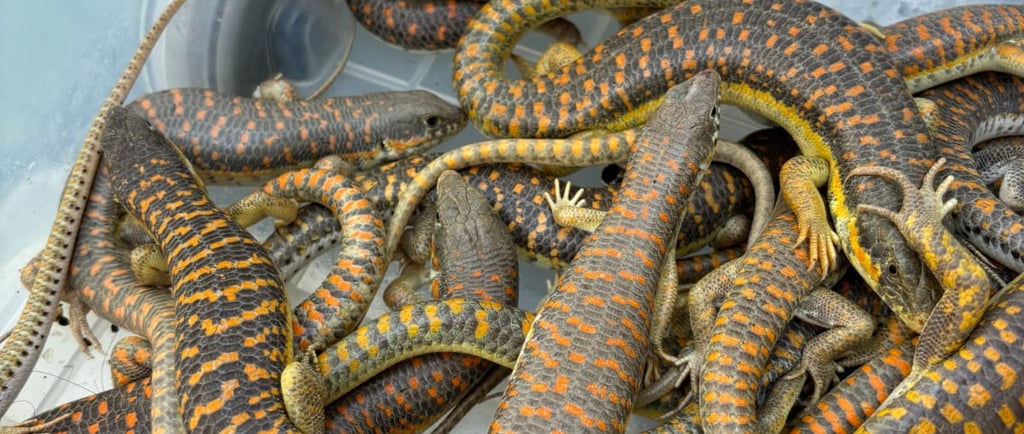
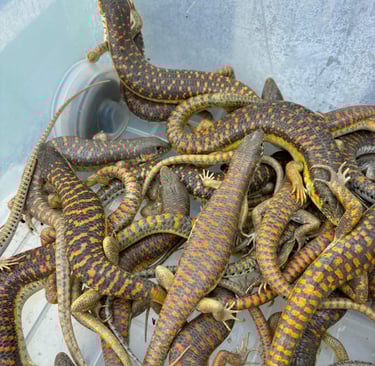
Egyptian Eumeces schneideri Export and sale
The Egyptian Eumeces schneideri, commonly known as Schneider’s Skink, has become one of the most distinctive reptile species in the global export market. Its calm temperament, striking appearance, ecological importance, and suitability for captive care have made it highly desirable among collectors, breeders, researchers, and reptile enthusiasts. With Egypt serving as a primary natural range for the species, the country plays a vital role in supplying international markets that seek ethically sourced and healthy reptiles. This comprehensive article provides an in-depth, publication-ready overview of the biology, habitat, export regulations, market opportunities, and global demand surrounding the Egyptian Eumeces schneideri.
Biological Profile and Physical Characteristics
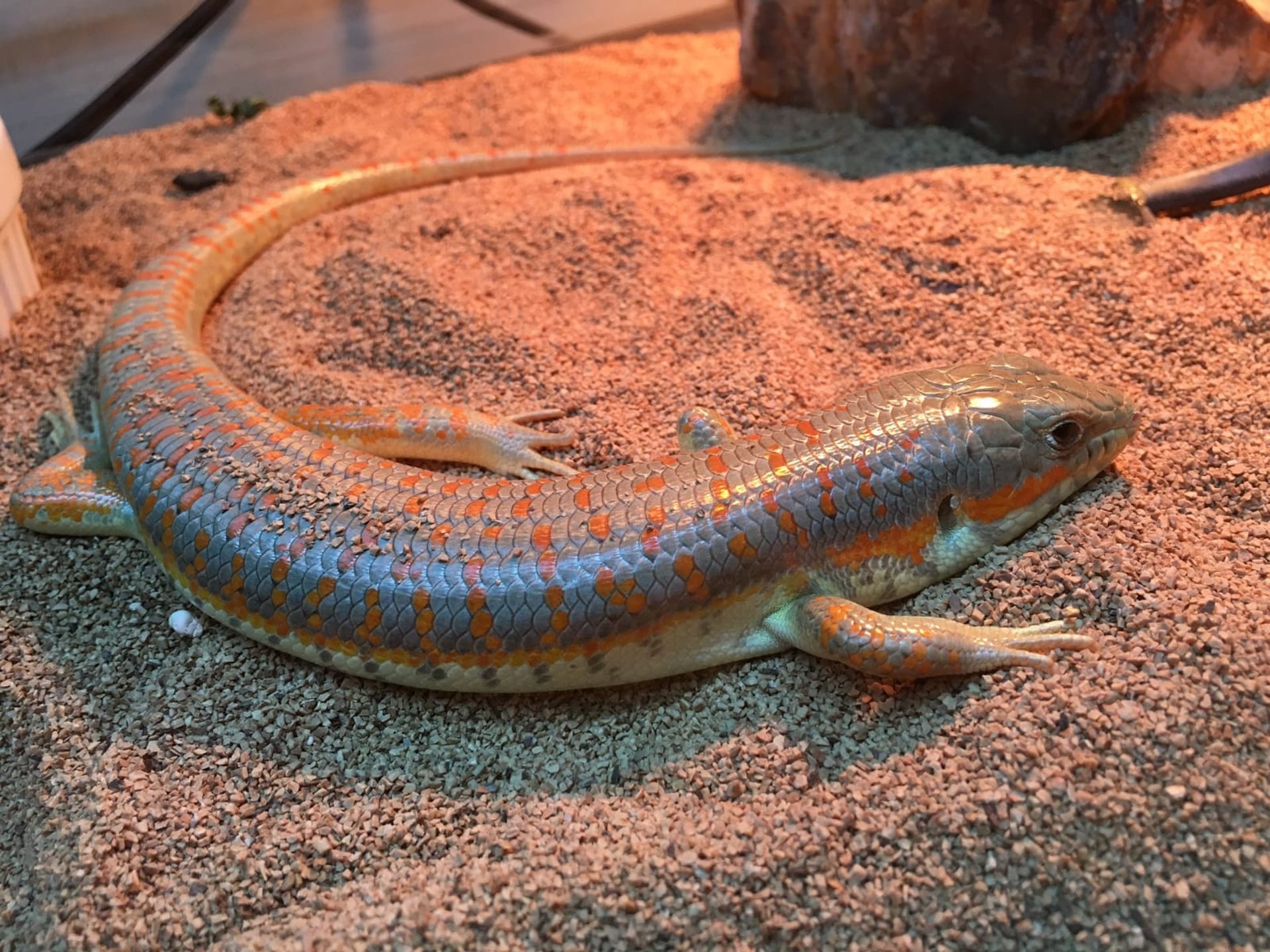
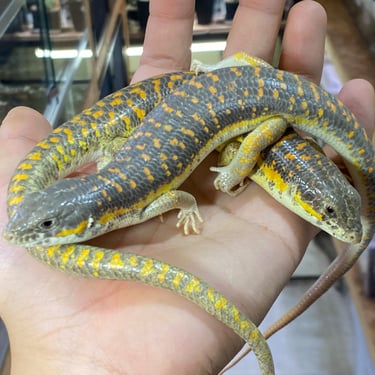
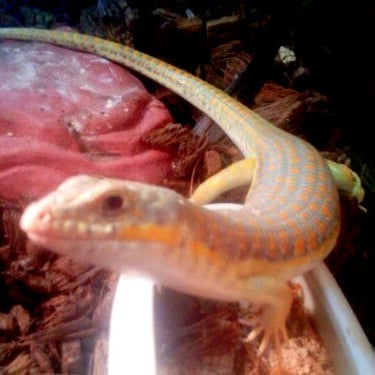
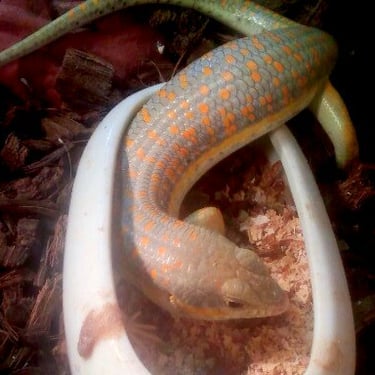
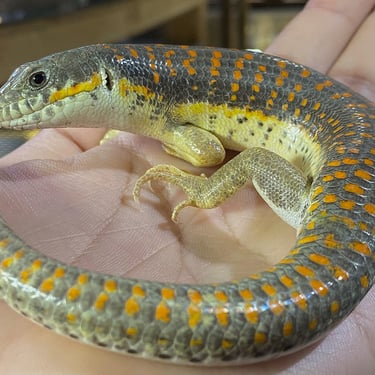
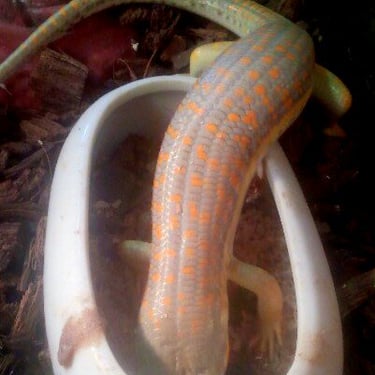
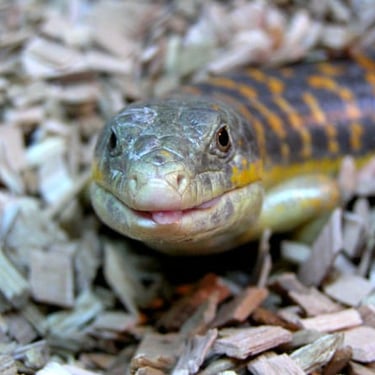
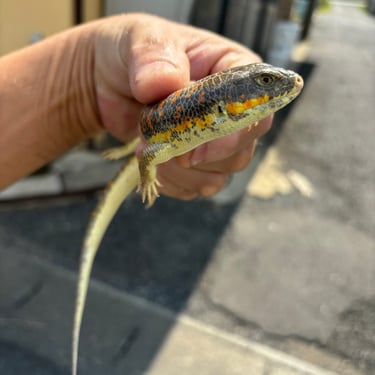
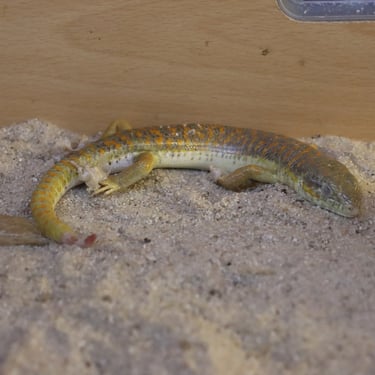
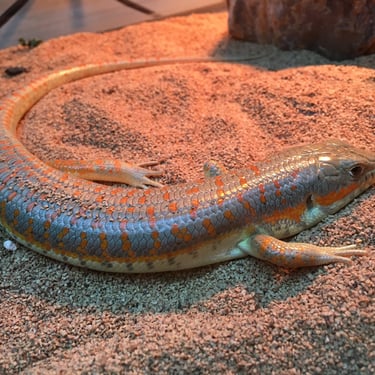
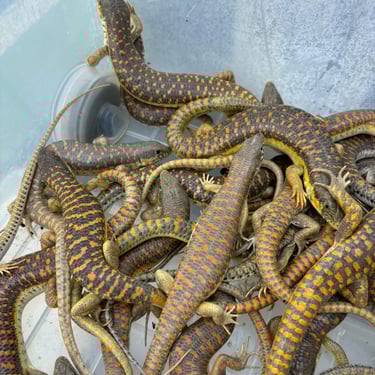
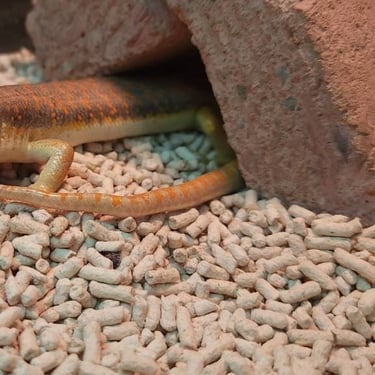
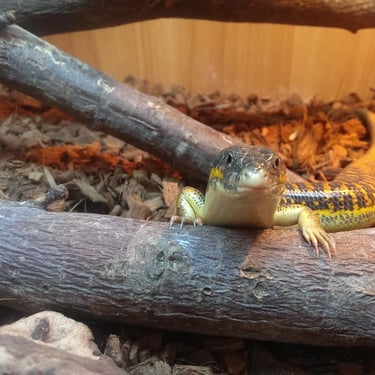
The Eumeces schneideri is a medium-sized desert skink native to arid regions of North Africa and the Middle East, with Egypt representing one of its strongest distribution zones. Characterized by its elongated body, smooth shiny scales, sturdy limbs, and distinctive lateral stripes, the species ranges between 30 and 40 centimeters in total length. Its color palette varies from sandy yellow to olive brown, blending seamlessly with desert landscapes.
One of its most appealing traits is its gentle and non-aggressive temperament. Unlike many defensive desert reptiles, Schneider’s Skink is known for being calm and tolerant of handling, which significantly increases its value in international pet markets. It is a diurnal species, active during daylight hours, feeding on insects, small vertebrates, and plant matter. Its burrowing behavior and robust physiology demonstrate exceptional adaptation to harsh desert environments, contributing to its ecological significance in Egypt’s biodiversity.
Habitat and Distribution Within Egypt
In Egypt, Eumeces schneideri occupies diverse dry habitats including sandy plains, desert edges, rocky plateaus, and agricultural margins. It is particularly common in northern desert zones and transitional regions where sparse vegetation provides shelter and food sources.
The species’ ability to thrive in multiple microhabitats enhances its resilience both in nature and captivity. It tolerates temperature fluctuations, intense sun exposure, and limited water availability—traits that make it easy to keep and care for, further increasing its desirability in global reptile markets.
Why International Markets Demand This Species?
The export interest in Eumeces schneideri has risen sharply due to several compelling factors:
Suitability for Hobbyists and Breeders
Schneider’s Skink is widely recognized as an excellent species for beginners and experienced keepers alike. Its hardy nature, manageable size, and ease of handling make it a top choice among reptile enthusiasts.
Attractive Appearance and Behavior
With bright colors, clean stripes, and active daytime movement, the species delivers both visual appeal and exciting behavior, making it more engaging than many nocturnal reptiles.
Rising Popularity of Desert Species
As global reptile communities increasingly favor hardy, low-humidity species, Eumeces schneideri fits perfectly into this trend and continues to gain traction in European, Asian, and American markets.
Scientific and Educational Importance
Its predictable behavior and strong resilience make it ideal for studies in zoology, adaptation, and desert ecology. This adds another dimension to market demand from universities and research institutions.
Export Regulations and Sustainable Trade Practices in Egypt
Egypt maintains strict regulations to ensure that wildlife exports, including Eumeces schneideri, are conducted responsibly and sustainably. Exporters must follow specific legal guidelines and international standards to operate within compliant frameworks.
National Wildlife Laws
Exporters are required to obtain all permits and approvals from relevant environmental authorities, ensuring full compliance with Egyptian wildlife protection laws.
International Standards
Although Schneider’s Skink is not among the most restricted species, exporters must adhere to global wildlife trade protocols and maintain complete documentation for every shipment.
Ethical and Sustainable Sourcing
Responsible exporters prioritize sustainable collection methods, respect seasonal quotas, and often invest in captive-breeding programs to protect wild populations.
Animal Welfare in Transport
International buyers expect professional transport conditions, low-stress packaging, proper hydration, and verified animal health certificates. Meeting these standards is essential for maintaining strong business relationships.
Global Market Opportunities for Egyptian Exporters
Egyptian exporters of Eumeces schneideri enjoy a strong position in the global reptile trade thanks to several advantages:
High Demand Across Continents
Reptile hobby communities in Europe, East Asia, the United States, and the Gulf region actively seek reliable suppliers of Schneider’s Skink.
Competitive Pricing and Quality
Egypt’s natural populations offer genetically strong and diverse specimens, giving exporters an advantage over many international competitors.
Increasing Online Marketplaces
Digital platforms and reptile forums have expanded export channels, enabling Egyptian exporters to reach broader international audiences quickly and efficiently.
Repeat Clients
Due to the skink’s popularity in breeding programs, international buyers frequently return for additional orders, creating stable long-term demand.
Care Guidelines for Importers and Hobbyists
Providing accurate care information is essential for successful long-term trade, ensuring exported animals thrive with international clients. Proper care includes:
A spacious enclosure offering both open space and deep substrate for burrowing.
Temperature gradients between 28–35°C, with a dedicated basking spot.
UVB lighting to support calcium absorption and healthy metabolism.
A varied insect diet such as crickets, roaches, and mealworms, supplemented with occasional greens.
Low to moderate humidity, around 20–40%, reflecting natural desert conditions.
Routine veterinary checks to monitor shedding and overall health.
These guidelines boost buyer confidence and increase the reputation of Egyptian exporters.
Challenges in the Export Industry
Although the demand is strong, exporters must remain aware of potential challenges:
Changes in local or international wildlife regulations
Competition from other exporting regions and captive breeders
Seasonal shipping restrictions due to extreme temperatures
Health risks during long-distance transport
Maintaining professionalism, transparent documentation, and strong animal welfare practices helps overcome these challenges and ensures continued business success.
Future Outlook for Eumeces schneideri Export from Egypt
As global interest in exotic reptiles continues to expand, the Egyptian Eumeces schneideri is expected to remain an important species in the reptile trade. Market growth in Europe and Asia, combined with Egypt’s ability to supply healthy, high-quality specimens, positions the species for long-term commercial success.
Sustainable sourcing and the adoption of advanced captive-breeding programs are likely to further increase Egypt’s global presence in reptile export. With rising demand for desert species and ethical trade practices, Schneider’s Skink stands out as a promising species for future growth and international market stability.
Characteristics of Schneider's Skink
The Eumeces schneideri is a medium-sized skink, notable for its robust build and unique coloration, which provides excellent camouflage in their natural habitat. With a body length that can reach up to 25 centimeters, this skink possesses a glossy, smooth skin that can vary in color from brown to greenish hues, adorned with darker stripes or spots. Their diet primarily consists of various insects and vegetation, showcasing their adaptability in food sources.
Commitment to Ethical Export
As your trusted partner in the export of Eumeces schneideri, Al Zaeem Reptile Export Company ensures that all our business practices comply with CITES regulations and international animal welfare standards. Our goal is to provide high-quality, healthy reptiles to importers, breeders, and zoological institutions globally. Each skink is sourced sustainably, emphasizing our dedication to preserving their natural ecosystems.
The process of acquiring Schneider's skink is carried out with the utmost care, ensuring that the animals are well cared for before being transported. We understand the importance of animal welfare and treat each reptile with respect and compassion. This commitment to ethical practices not only benefits the animals but also contributes to the long-term sustainability of their populations in the wild.
Conclusion
In conclusion, if you are looking for a reliable supplier for Eumeces schneideri, consider Al Zaeem Reptile Export Company. Our experience and dedication in the reptile export industry make us the ideal choice for importers and enthusiasts alike. We invite you to join us in our mission to share the beauty of Schneider's skink while promoting ethical and sustainable trade practices. Together, we can make a difference in how exotic reptiles are traded and protected around the world.
Get in Touch
Fill out the contact form below to send us your inquiries. We look forward to assisting you with your questions. Please don't hesitate to include your details and any specific information that might help us address your needs more efficiently. Our team is dedicated to providing prompt and comprehensive responses to ensure your complete satisfaction.
Address
About
Abu Rawash - GIZA - Egypt
contact